(This week’s civic education and engagement column from Danville’s The Republican newspaper.)
There’s a particular irony that the generation of Americans known for challenging everything and refusing to accept anything without questioning it has somehow grown into the most gullible. (Before anyone accuses me of generation-shaming, it’s important to note that I’m a Boomer, born during Ike’s presidency.)
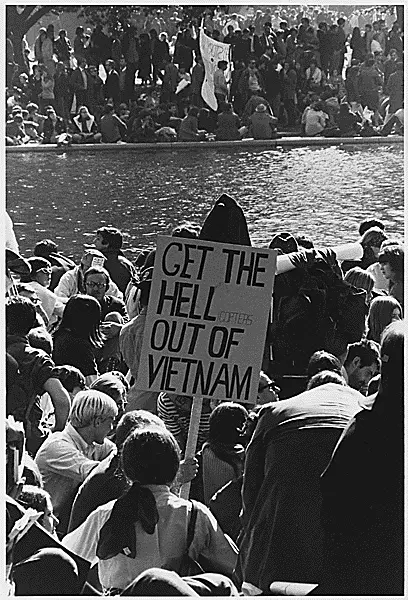
For those of you who weren’t around yet, young Boomers did their best to turn established society upside-down. They dressed funny, their music was just irritating noise, and they had zero respect for their elders. Those elders were traditionalists, shaped by the Depression and world wars. Everything became a battleground. Civil rights. Vietnam. Women’s work. Men’s grooming. Relevance in education. Wearing blue jeans. Relevance in religion. Budweiser vs. bong.
Parents, teachers, and preachers would present their long-established truths, and Boomers would snap back with “Prove it!” They weren’t just going to sit back and accept everything The Establishment fed their parents. They knew they were smarter – and besides, it was the Space Age, not horse-and buggy days. Anyone old enough to remember 1968 will confirm that America was every bit as divided as it is today – only the division was mostly by age and not political beliefs.
Yet somehow, that generation of folks who refused to take anything – and I mean anything – at face value has somehow become naïve and unquestioning. When they see something in their social media feed, they instinctively assume there must be something to it. After all, dozens of people are sharing it. Surely someone would have corrected it if it weren’t true. And besides, Gladys posted it (wasn’t she a nurse?). Gladys wouldn’t lie.
I could offer dozens of examples of things Boomers simply accept as the truth with zero questioning. Like classroom litterboxes for students who believe they’re cats. Scandalous tales about politicians and celebrities. Secret weight-loss cures “big pharma” is suppressing. A government agency refusing to fly the American flag. High school boys pretending to be girls so they can go into locker rooms. Your town “refusing” to allow an Olive Garden. Having to post legal messages so Facebook won’t steal your photos. (None of those is true, by the way. And on the last, if you’re on social media, you’ve already given up rights to what you posted. Remember when you clicked that “Accept terms and conditions” box?)
What makes it even more bemusing is that we’re talking about the same people who warned their own kids not to believe everything they read on that Internet thing – and who resisted the use of all kinds of online conveniences because they just didn’t trust those darned computers.
As you scroll through the reminders for birthdays and photos of your friends’ fabulous vacations, you’re seeing more messages created by professionals here and abroad who want to influence how Americans think and vote. Many of those messages are created by organizations tied to the Russian government with the goal of increasing division and dissatisfaction among Americans. These messages are sophisticated and based on the same principle advertising agencies know: tapping into your emotions is far more powerful than appealing to your reason. The senders try to bring you around by appealing to your senses of outrage, nostalgia, patriotism, fear, sympathy, or hope.
The more messages we see, the more we believe – especially if those messages strengthen a belief we already have. It’s what’s known as “confirmation bias.” And how we respond helps the social media companies decide what other types of posts and paid ads to send our way.
So what does this have to do with my customary focus, local government? Everything. Today’s social media environment generates so much misinformation that it’s hard for your local governments to get the truth out there. In particular, social media chatter sites often spiral out of control. A rumor about a proposed project can spread through neighborhood Facebook pages in minutes, leaving local officials scrambling to correct misinformation after opinions have already hardened. When those officials present the truth, they’re often accused of trying to hide what’s really happening.
It’s not just Boomers, either. Every generation has its own foibles. The newest generation tends to believe misinformation they see in TikTok videos, AI-generated clips, or from influencers who present themselves as experts. But no matter when we may have been born, we owe it to ourselves and the people we connect with online to review what we see with more discerning eyes. Boomers once prided themselves on demanding “Prove it!” That’s still pretty good advice—whether the message comes from the government, a politician, a celebrity, an influencer, or Gladys.